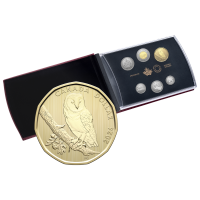
Set of 6 x 2026 Conservation Stories: Barn Owl Specimen Coins | Royal Canadian Mint


Related products
A symbol of stillness: The barn owl is Royal Canadian Mint's 2026 Conservation Story.
The barn owl is one of the most widely distributed bird species in the world, but in Canada, its future is far from secure. Restricted to southwestern regions of British Columbia and Ontario, where winters are milder, Canada’s barn owls face significant threats from road mortality, climate change and habitat loss—in fact, the smaller, endangered Eastern population is estimated at possibly fewer than a handful of breeding pairs.
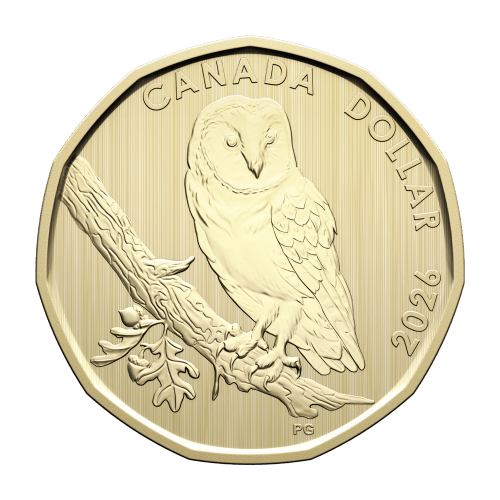
The pale owl with the heart-shaped face is the featured star of the 2026 Specimen Dollar, which serves as both tribute and testament. It is a celebration of the barn owl’s ghostly elegance, and a hopeful reminder that with care, habitat protection and conservation, the barn owl can continue to grace our landscapes and stir twilight with its silent flight.
Highlighting the plight of the barn owl.
COIN HIGHLIGHTS
- Seventh in the series. The seventh specimen set in a series raising awareness of wildlife conservation and species recovery efforts in Canada.
- A world exclusive. The annual Specimen Set continues to be one of our most popular sets—in fact, we are the only mint that issues an annual set of coins in a specimen finish (brilliant/frosted relief against a lined background).
- For nature and wildlife lovers. Inspire a love of coin collecting with this affordable set! With its educational theme and special dollar, it makes a great gift for animal lovers of all ages, and the perfect starter set for any new collector.
- Limited supply. Only 30,000 sets are available worldwide.
- Includes serialized certificate. The Royal Canadian Mint certifies all of its collector coins.
PACKAGING
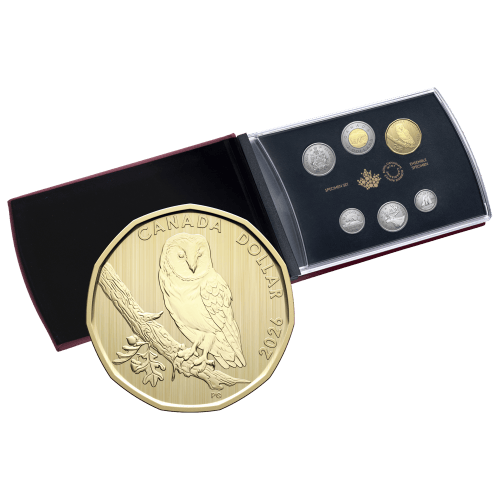
Your specimen set comes in elegant book-style packaging, with a removable lens that allows for easy viewing of your coins.
A SET EXCLUSIVE
Exclusive to this set (and not available for individual purchase), this set’s Specimen Dollar highlights the plight of Canada’s declining barn owl population and the importance of wildlife habitat protection.
PACKAGED FOR EASY VIEWING
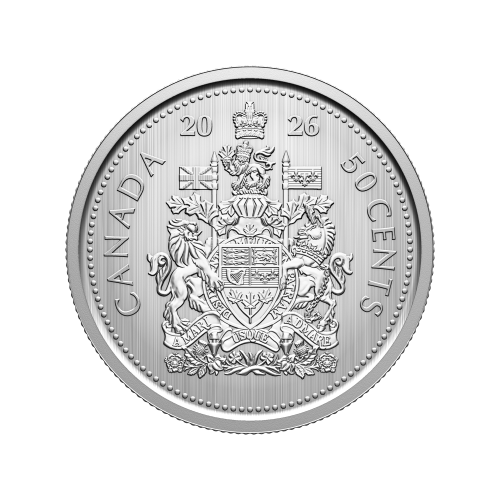
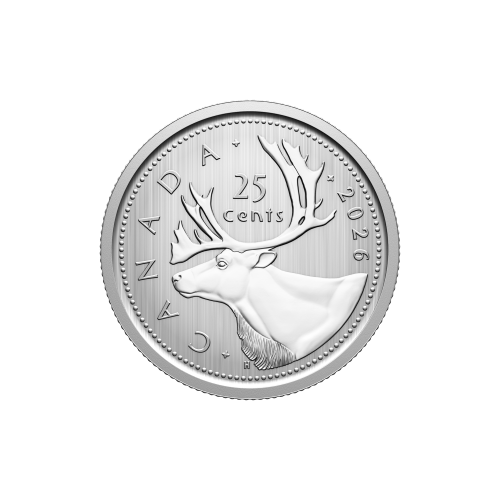
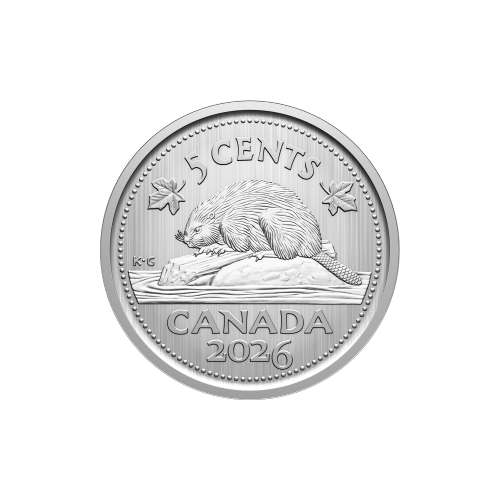
All six denominations of Canadian circulation coinage—from the five-cent to the $2 coin, and even the 50-cent piece—are represented in this set. Your coins are presented side-by-side in elegant book-style packaging designed to further enhance your enjoyment of this set.
DID YOU KNOW?
The barn owl needs mild winters and grassland habitats—open fields, farmlands and meadows—in order to survive. As wooden farm buildings are replaced with more modern (and often bird-proof) structures, there has been a decline in suitable sites for this cavity nester. The loss of foraging habitats due to urbanization and agricultural intensification further impacts the barn owl, leading to increased road mortality as it takes to hunting prey along roadways at night.
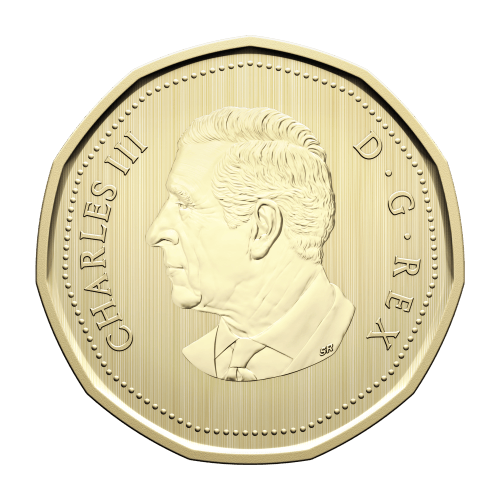
The reverse of the set-exclusive Specimen Dollar is by Canadian artist Pierre Girard, whose design highlights the majestic features of the barn owl (Tyto alba). Considered an endangered species both federally and provincially in Ontario, the nocturnal raptor is shown perched on an oak branch that provides an elevated vantage point. The obverse features the effigy of His Majesty King Charles III by Canadian artist Steven Rosati.
ABOUT THE ROYAL CANADIAN MINT
The Royal Canadian Mint is known as one of the most reputable mints in the world. The Ottawa Branch of the Royal Mint opened in 1908 and was renamed The Royal Canadian Mint in 1931 when control was transferred to the Canadian government. Their high standards for excellence and quality allowed them to be the first refinery to manufacture 9999 fine gold bullion coins in 1982, as well as the first to reach 99999 fine gold purity in 1998.